
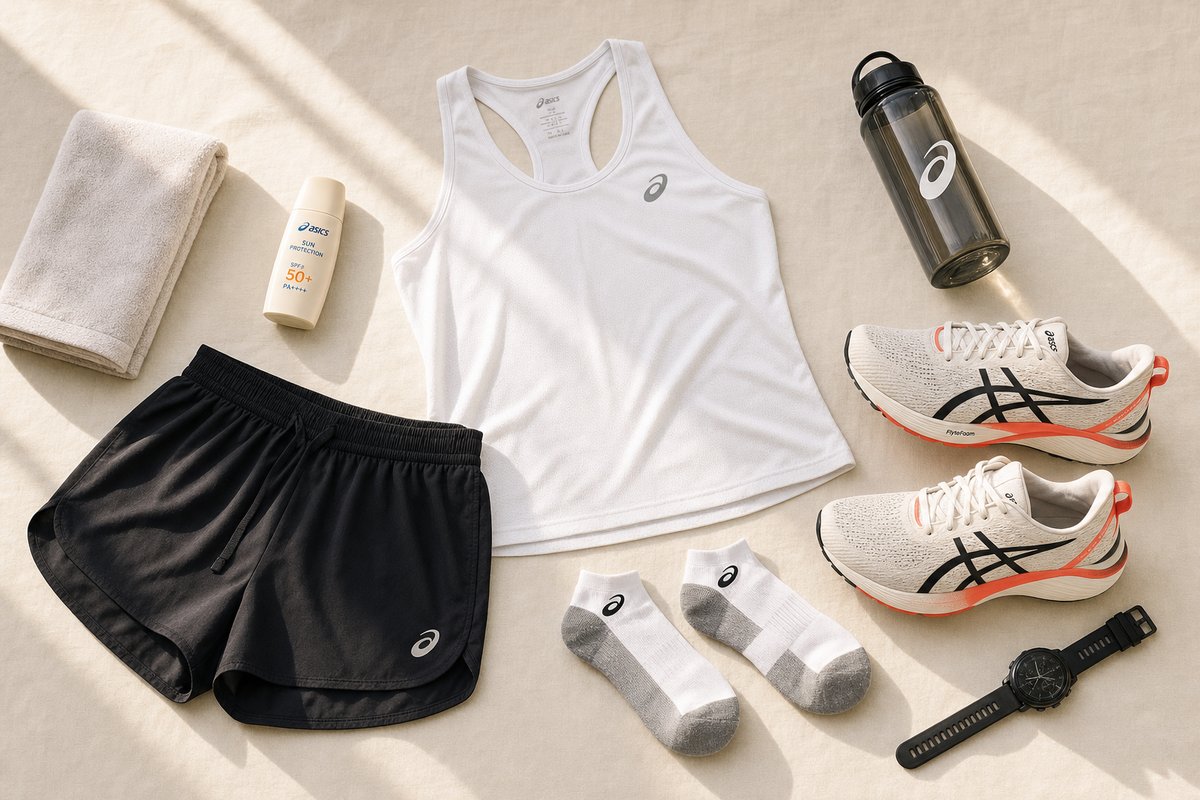
Summer heat doesn’t have to derail your training schedule. With the right strategies and gear choices, you can maintain your performance and actually enjoy those sunny miles.
From choosing breathable fabrics to timing your workouts strategically, these proven tips will help you beat the heat and stay comfortable when the temperature rises. Let’s dive into what works when the mercury climbs.
1. Choose Technical Fabrics That Wick Moisture
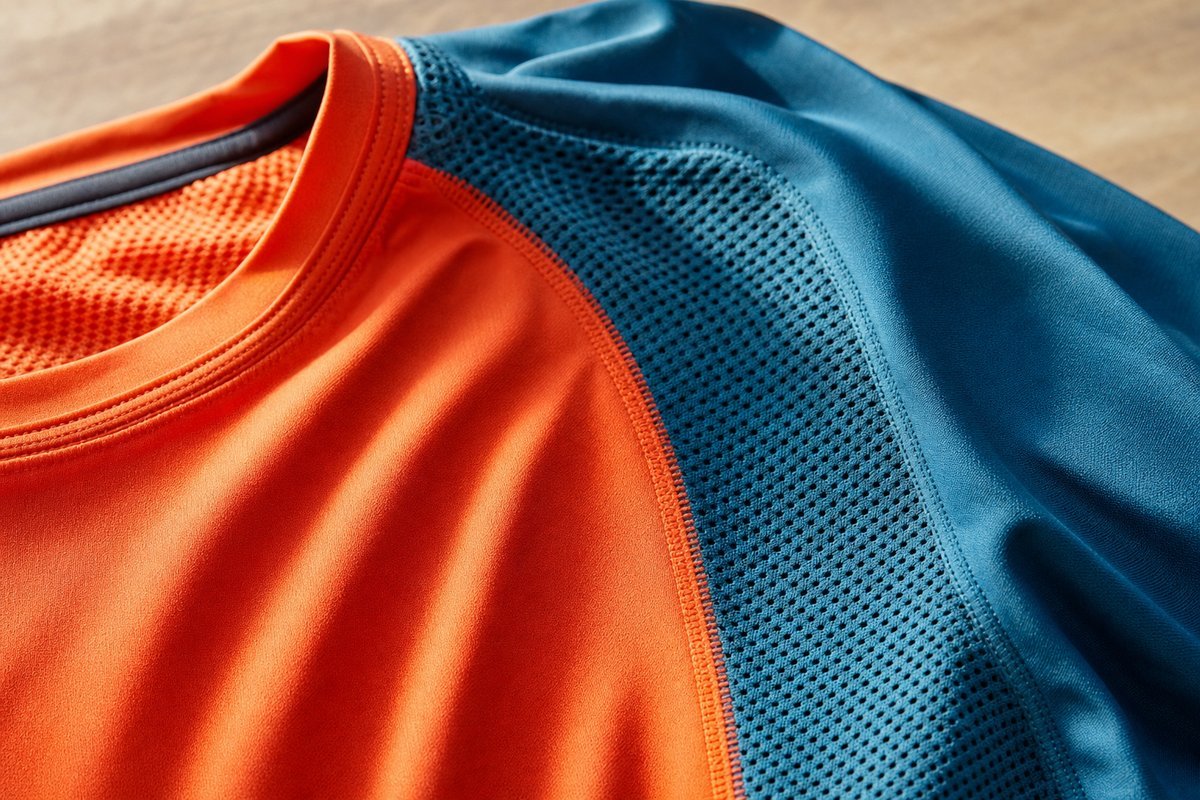
Your clothing choice makes an enormous difference in hot weather. Asics designs running apparel with advanced moisture-wicking technology that pulls sweat away from your skin, allowing it to evaporate quickly and keep you cooler throughout your run.
- Look for shirts and shorts made from polyester or nylon blends rather than cotton, which holds moisture against your skin
- Choose light colours that reflect rather than absorb heat from the sun
- Opt for loose-fitting tops with mesh panels in high-sweat areas like the back and underarms
- Consider seamless construction to prevent chafing when sweat increases friction
- Invest in multiple sets of technical running clothes so you always have a fresh, dry option ready
2. Time Your Runs to Avoid Peak Heat
Strategic scheduling can drop the temperature you’re running in by 15-20 degrees. The early morning hours before 8 AM and evening after 7 PM typically offer the coolest conditions and lowest UV exposure.
- Set your alarm earlier to catch the coolest part of the day before the sun reaches full strength
- Check the heat index, not just the temperature—humidity significantly impacts how hot it feels
- Use weather apps to identify the day’s coolest windows and plan your workout accordingly
- If mid-day is unavoidable, seek shaded routes through parks or tree-lined streets
- Consider splitting longer runs into two shorter sessions during cooler periods

3. Invest in Proper Ventilated Running Shoes
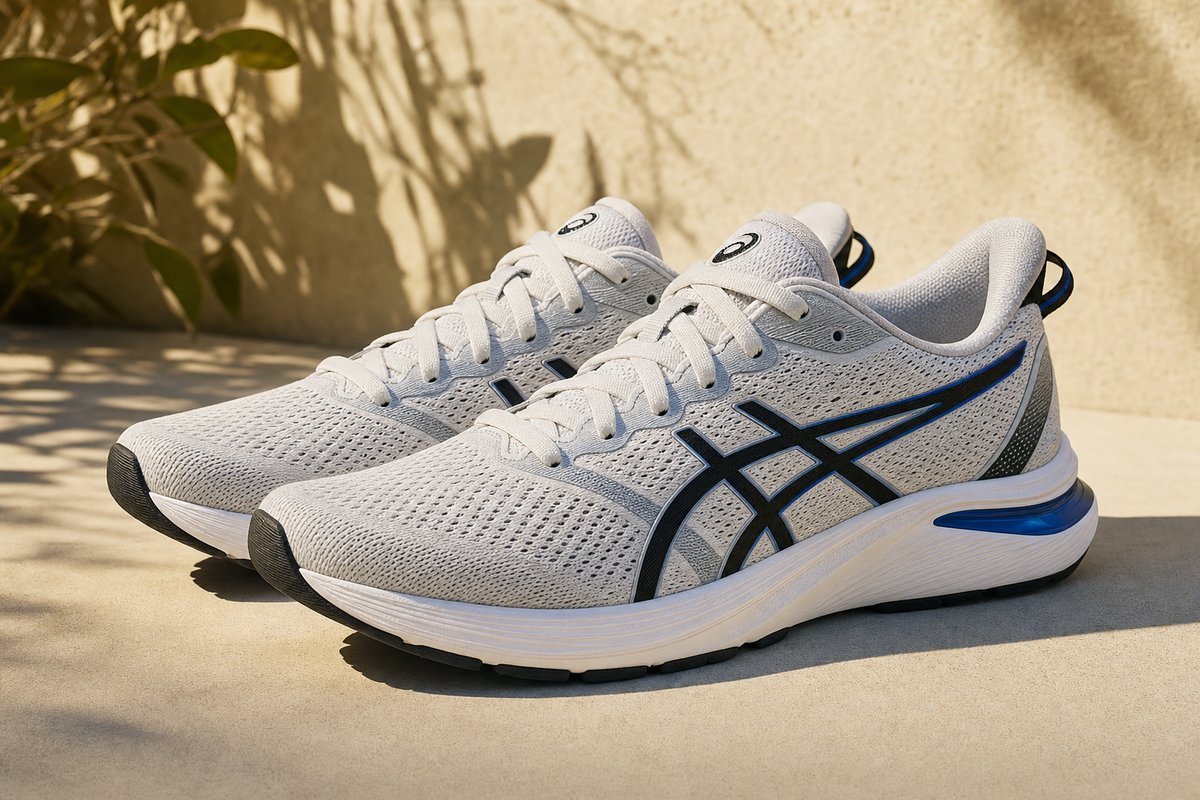
Your feet generate significant heat during runs, and trapped moisture leads to blisters and discomfort. Asics offers running shoes with engineered mesh uppers that maximize airflow while maintaining the support and cushioning you need for performance.
- Choose shoes with breathable mesh construction rather than solid synthetic overlays
- Look for designs with larger perforation patterns that allow maximum air circulation
- Wear moisture-wicking running socks that complement your shoes’ ventilation features
- Consider going up half a size in summer to accommodate foot swelling from heat
- Replace insoles with thinner, more breathable alternatives if your shoes feel too warm
- Allow shoes to fully dry between runs by rotating pairs and removing insoles after workouts
4. Hydrate Strategically Before, During, and After
Proper hydration starts hours before your run and continues well after you finish. Waiting until you feel thirsty means you’re already behind on fluid replacement.
- Drink 16-20 ounces of water 2-3 hours before running to ensure proper pre-hydration
- Consume another 8 ounces about 15-20 minutes before you start
- Carry water or plan routes with fountain access for runs longer than 30 minutes
- Sip 4-6 ounces every 15-20 minutes during your run rather than gulping large amounts
- Add electrolyte tablets or sports drinks for runs exceeding 60 minutes to replace lost sodium and minerals
- Weigh yourself before and after long runs—drink 16-24 ounces for every pound lost

5. Protect Your Skin and Eyes From Sun Exposure
UV radiation peaks during summer months, and runners accumulate significant sun exposure over training cycles. Proper protection prevents both immediate discomfort and long-term damage.
- Apply broad-spectrum SPF 30+ sunscreen 15-30 minutes before heading out, focusing on exposed areas
- Choose sport-specific sunscreens formulated to resist sweat and not sting your eyes when you perspire
- Wear a lightweight running cap or visor to shade your face and keep sun off your scalp
- Invest in UV-blocking sunglasses that won’t bounce or slip as you run
- Don’t forget often-missed spots like ears, back of neck, and tops of feet if wearing low-cut socks
- Reapply sunscreen if you’ll be out longer than 80 minutes or after excessive sweating

6. Adjust Your Pace and Expectations
Heat significantly impacts performance, and trying to maintain your cooler-weather pace can lead to overheating or heat illness. Running by effort rather than pace keeps you safe while maintaining fitness gains.
- Expect your pace to slow by 20-30 seconds per mile for every 5-degree temperature increase above 60°F
- Use perceived exertion rather than pace targets to gauge your effort level
- Start slower than normal and allow your body to adjust gradually to the heat stress
- Build in walk breaks on particularly hot days to keep your core temperature manageable
- Focus on time on feet rather than distance covered when conditions are extreme
- Remember that heat training provides cardiovascular benefits even at slower paces

Our Favourite Hot-Weather Running Strategy
- Start with the right gear foundation—breathable clothing and ventilated shoes make the biggest immediate difference in comfort
- Schedule runs during the coolest parts of the day, typically early morning before 8 AM or evening after 7 PM
- Hydrate consistently throughout the day, not just immediately before your run, and carry water for efforts longer than 30 minutes
- Slow your pace by 20-30 seconds per mile for every 5-degree increase above 60°F and run by effort rather than speed
- Give yourself 10-14 days to acclimate to hot weather running—your body will adapt and improve its cooling efficiency over time
Hot-Weather Running — Final Thoughts
Summer heat challenges every runner, but with smart preparation and the right approach, you can continue building fitness while staying safe and comfortable. Focus on controllable factors like timing, gear, and hydration, and remember that heat adaptation takes time. Equip yourself with quality technical apparel and ventilated footwear from Asics, adjust your expectations, and you’ll discover that hot-weather running can become one of your training cycle’s most rewarding challenges.
