
Disclosure: When you buy something using links from this blog post, we may earn a small commission at no additional cost to you. We are reader-supported, so thank you for the cup of coffee ☕.
In a world where mental health is increasingly recognized as a vital component of overall well-being, the role of exercise in promoting mental wellness has gained significant attention. Beyond its physical benefits, exercise has been shown to have profound effects on mental health, serving as a powerful form of therapy for individuals struggling with various mental health conditions. Let’s delve into the concept of mindful movement and explore how exercise can be a therapeutic tool for improving mental well-being.

Understanding Mindful Movement
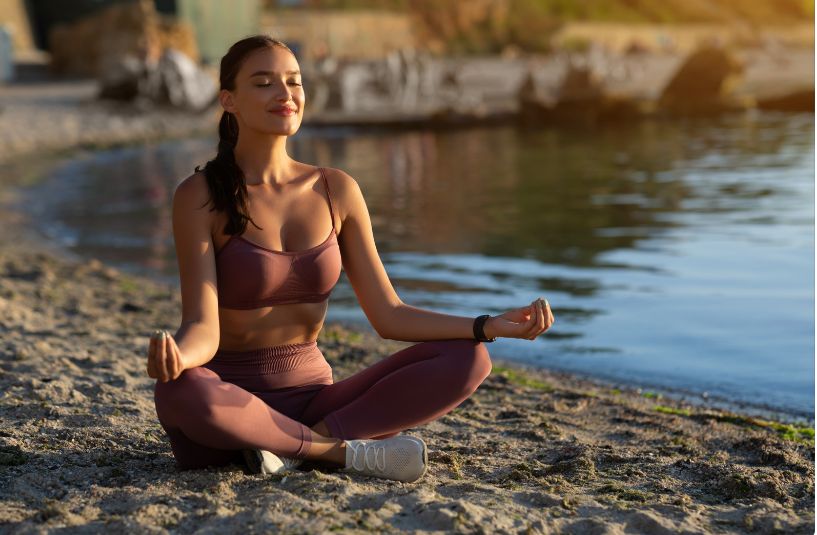
Mindful movement, also known as mindful exercise or mindful physical activity, involves engaging in physical activity with full awareness and presence in the present moment. It’s about cultivating a deep connection between the mind and body, focusing on sensations, movements, and breath. Mindful movement practices draw inspiration from mindfulness meditation, emphasizing non-judgmental awareness and acceptance of one’s experiences during exercise.
Exercise as Therapy
The therapeutic benefits of exercise for mental health are well-documented. Regular physical activity has been shown to reduce symptoms of depression, anxiety, stress, and other mental health disorders. But what makes exercise such an effective form of therapy?

- Mood Regulation: Exercise stimulates the release of endorphins, neurotransmitters that act as natural mood lifters. These feel-good chemicals help alleviate symptoms of depression and anxiety, promoting a sense of well-being and happiness.
- Stress Reduction: Physical activity serves as a natural stress reliever, helping to reduce levels of cortisol, the body’s primary stress hormone. Engaging in mindful movement can help individuals unwind, relax, and manage the daily stresses of life more effectively.
- Increased Self-Awareness: Mindful movement encourages individuals to tune into their bodies and become more attuned to their physical sensations, thoughts, and emotions. This heightened self-awareness can lead to greater insight into one’s mental state and provide valuable tools for self-regulation.
- Enhanced Cognitive Function: Exercise has been shown to improve cognitive function, including memory, attention, and executive function. Regular physical activity can boost brain health, reduce cognitive decline, and enhance overall mental clarity and focus.
- Social Connection: Many forms of exercise involve social interaction, whether it’s participating in group fitness classes, joining sports teams, or simply exercising with friends or family. Building social connections through exercise can combat feelings of loneliness and isolation, fostering a sense of belonging and community.

Practicing Mindful Movement
Incorporating mindful movement into your daily routine doesn’t require a significant time commitment or special equipment. Here are some simple ways to infuse mindfulness into your exercise regimen:
- Start with the Breath: Begin your workout by taking a few deep breaths, focusing on the sensation of air entering and leaving your body. Use your breath as an anchor to stay present throughout your workout.
- Tune into Sensations: Pay attention to how your body feels as you move. Notice the sensation of your feet hitting the ground while walking or running, the stretch of your muscles during yoga or stretching exercises, and the rhythm of your breath during cardio workouts.
- Practice Non-Judgmental Awareness: Approach your exercise with an open and non-judgmental attitude. Let go of expectations or preconceived notions about how you should perform and instead focus on being present with whatever arises.
- Embrace Mindful Walking: Take your mindfulness practice outdoors by incorporating mindful walking into your routine. Slow down your pace, notice the sights and sounds around you, and connect with nature as you move.
- Experiment with Different Modalities: Explore a variety of physical activities to find what resonates with you. Whether it’s hiking, swimming, dancing, or practicing martial arts, choose activities that bring you joy and fulfillment.

Essential Tools for Mindful Movement
As you embark on your mindful movement journey, consider these products to enhance your experience and support your mental wellness:
- Yoga Mat: A high-quality yoga mat provides comfort and stability during yoga and stretching exercises, allowing you to fully immerse yourself in your practice.
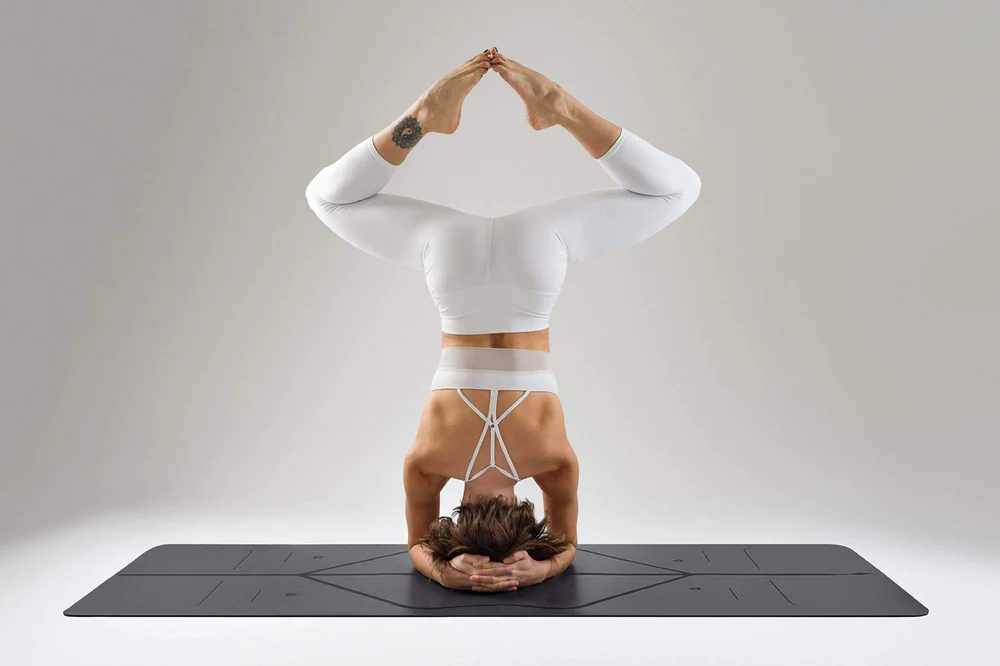
Liforme Yoga Mat
- Precision-engineered for mindful movement, enhancing alignment and stability.
- Eco-conscious materials support sustainability and mindfulness in practice.
- Tailored features promote deeper connection with body and earth during movement.
- Meditation Cushion: Create a serene space for mindfulness meditation with a comfortable meditation cushion. This supportive cushion can help you maintain proper posture and focus during seated meditation sessions.

enLight® Meditation Cushion
- Facilitates comfortable posture during mindfulness activities like yoga and meditation.
- Offers stable cushioning for proper alignment during movement practices.
- Constructed with durable materials for enhanced mindfulness experiences.
- Fitness Tracker: Track your physical activity and monitor your progress with a fitness tracker. Choose a device that offers features such as heart rate monitoring, activity tracking, and guided breathing exercises to support your mindful movement practice.

Fitbit Inspire 3 Health & Fitness Tracker
- Monitors daily activity, promoting mindfulness in movement.
- Features guided breathing exercises for mindful breaks.
- Provides personalized insights for balanced fitness goals.
- Essential Oils: Incorporate aromatherapy into your mindfulness routine with essential oils. Choose calming scents like lavender or chamomile to promote relaxation and stress relief during exercise and meditation.

Plant Therapy Essential Oils
- Enhances mindfulness during movement with natural botanicals.
- Fosters a harmonious mind-body connection.
- Supports holistic well-being through aromatherapy during exercise.
- Journaling Notebook: Keep a journal to record your thoughts, feelings, and reflections before and after your mindful movement sessions. Journaling can help you gain insight into your mental state and track your progress over time.

Closing Thoughts
Mindful movement offers a powerful pathway to improved mental health and well-being. By incorporating mindfulness into your exercise routine, you can harness the therapeutic benefits of physical activity while cultivating a deeper connection between mind and body. Whether you’re dealing with stress, anxiety, depression, or simply seeking greater balance and clarity in your life, mindful movement can be a valuable tool for promoting mental wellness. So, lace up your sneakers, roll out your yoga mat, or step outside for a walk in nature – and embark on a journey of healing and transformation through the power of mindful movement.
