

Disclosure: When you buy something using links from this blog post, we may earn a small commission at no additional cost to you. We are reader-supported, so thank you for the cup of coffee ☕.
In the pursuit of peak physical performance, the significance of pre-workout nutrition cannot be overstated. Just as a car requires fuel to run efficiently, our bodies require proper nutrition to perform at their best during exercise. Whether you’re an athlete, a fitness enthusiast, or someone simply looking to optimize their workouts, understanding how to fuel your body effectively before exercise can make a significant difference in your performance, recovery, and overall results. In this discussion, we’ll delve into the science behind pre-workout nutrition and explore strategies to maximize your energy levels, endurance, and muscle power.

Understanding Pre-Workout Nutrition:
Before diving into specific strategies, it’s essential to understand the role of pre-workout nutrition in optimizing performance. The primary goals of pre-workout nutrition are to provide the body with the necessary energy, enhance endurance, promote muscle protein synthesis, and optimize recovery. Achieving these objectives requires a balanced combination of macronutrients (carbohydrates, proteins, and fats) and micronutrients (vitamins and minerals) tailored to individual needs and workout intensity.
Carbohydrates: The Body’s Preferred Fuel Source:
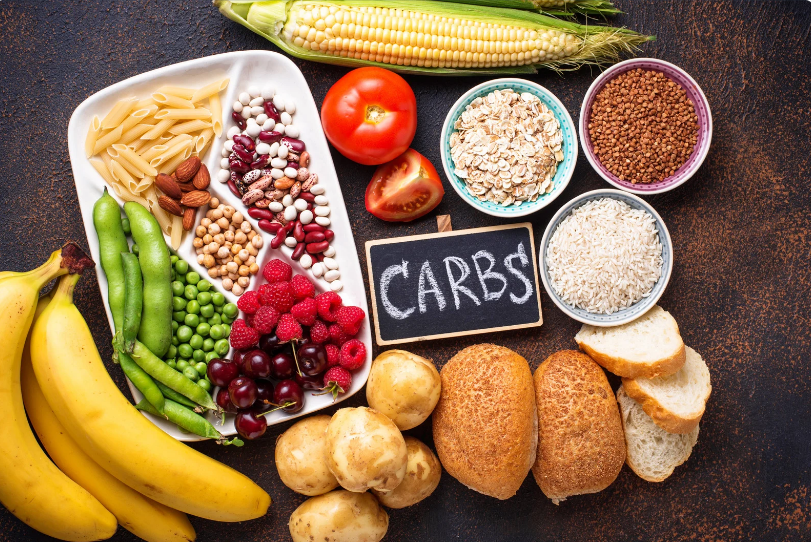
Carbohydrates serve as the primary fuel source for high-intensity exercise, making them a crucial component of pre-workout nutrition. Consuming carbohydrates before a workout replenishes glycogen stores in the muscles and liver, providing a readily available source of energy for physical activity. Opt for complex carbohydrates such as whole grains, fruits, and vegetables, which offer sustained energy release without causing rapid blood sugar spikes and crashes.
Proteins: Building Blocks for Muscle Repair and Growth:
Including protein in your pre-workout nutrition regimen can help support muscle repair, growth, and recovery. While the emphasis is often placed on post-workout protein consumption, pre-workout protein intake can also be beneficial, especially for individuals engaging in resistance training or high-intensity exercise. Aim for a combination of complete protein sources, such as lean meats, poultry, fish, eggs, dairy products, or plant-based options like tofu, tempeh, legumes, and quinoa.
Fats: The Source of Sustained Energy:
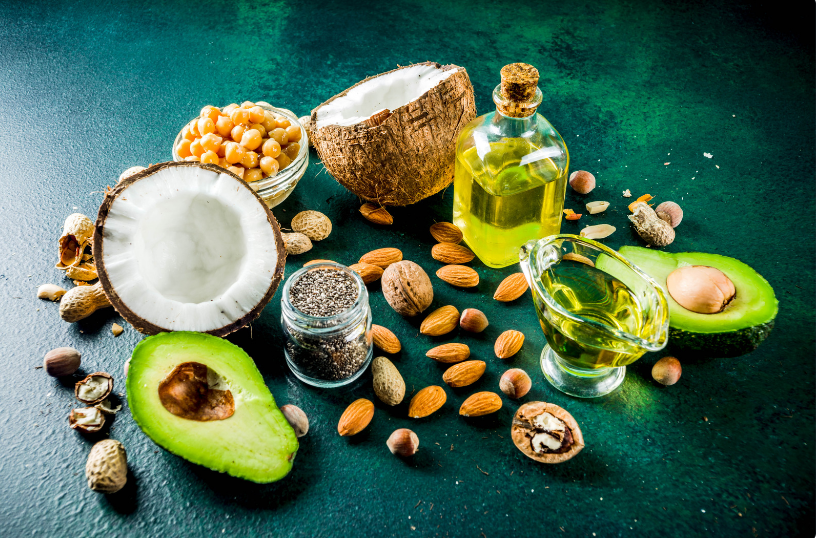
While carbohydrates are the body’s primary fuel source during high-intensity exercise, incorporating healthy fats into your pre-workout meal can provide a source of sustained energy and help promote satiety. Opt for sources of unsaturated fats, such as avocados, nuts, seeds, and olive oil, which offer essential fatty acids and contribute to overall cardiovascular health.
Hydration: The Key to Performance Optimization:
In addition to macronutrients, adequate hydration is essential for optimizing performance and preventing dehydration during exercise. Dehydration can impair physical performance, reduce endurance, and increase the risk of fatigue and injury. Aim to consume water or electrolyte-rich beverages before, during, and after your workout to maintain proper hydration levels and support optimal muscle function.
Timing: When and What to Eat Before a Workout:
The timing and composition of your pre-workout meal or snack can significantly impact your performance and energy levels during exercise. Ideally, aim to consume a balanced meal containing carbohydrates, protein, and a small amount of fat 2-3 hours before your workout to allow for digestion and nutrient absorption. If you’re short on time, opt for a smaller snack rich in carbohydrates and a moderate amount of protein 30-60 minutes before exercise to provide immediate energy without causing digestive discomfort.

Sample Pre-Workout Meals and Snacks:
Here are some examples of balanced pre-workout meals and snacks to fuel your workouts effectively:
Whole grain toast topped with almond butter and sliced banana: This provides a combination of complex carbohydrates, protein, and healthy fats to fuel your workout and promote muscle repair.

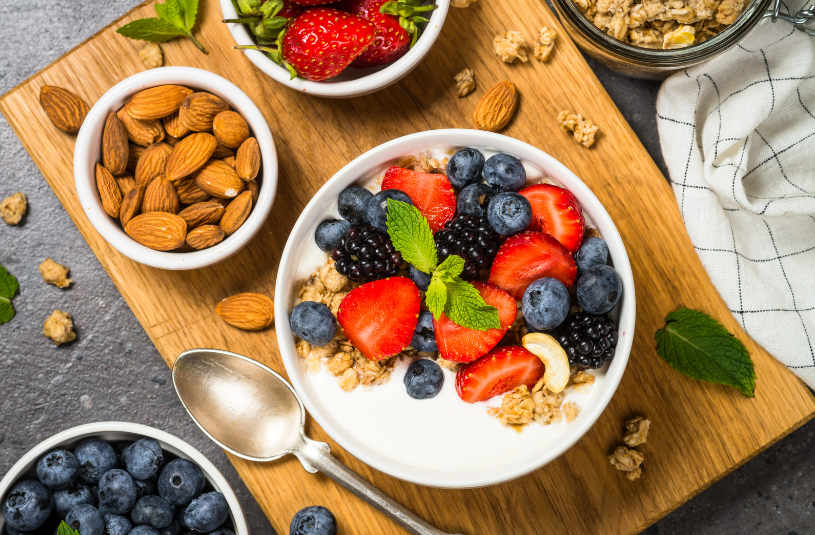
Greek yogurt with berries and a handful of mixed nuts: Greek yogurt offers a good source of protein, while berries provide carbohydrates and antioxidants. Mixed nuts contribute healthy fats and additional protein for sustained energy.
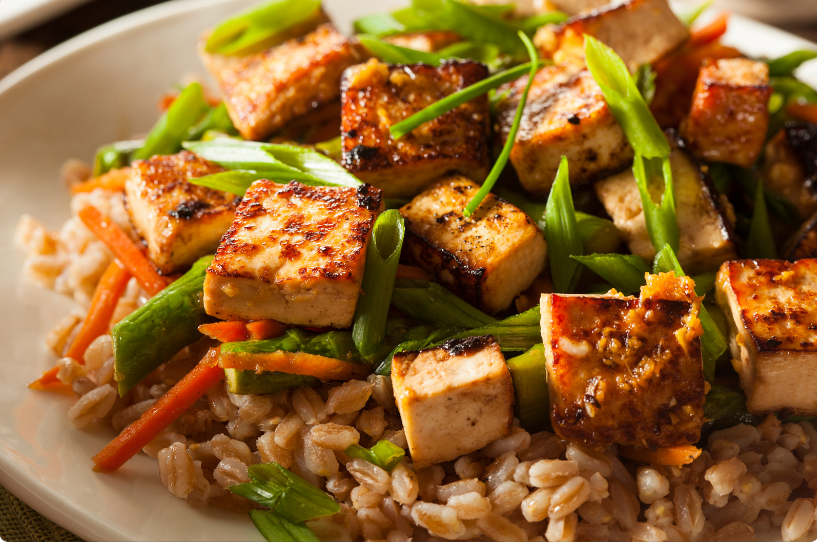
Grilled chicken or tofu stir-fry with brown rice and vegetables: This meal offers a balance of carbohydrates, protein, and fiber from the brown rice and vegetables, along with lean protein from the grilled chicken or tofu.
Oatmeal topped with sliced strawberries, chia seeds, and a drizzle of honey: Oatmeal is a great source of complex carbohydrates, while strawberries add natural sweetness and vitamin C. Chia seeds provide omega-3 fatty acids and additional fiber, and honey offers a quick source of energy.

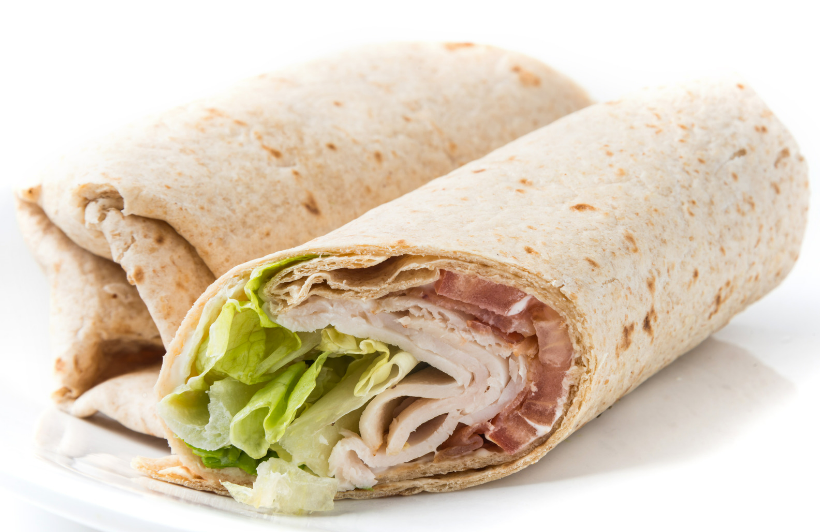
Whole grain wrap filled with turkey, avocado, spinach, and hummus: This wrap combines lean protein from the turkey, healthy fats from the avocado, and complex carbohydrates from the whole grain wrap. Spinach adds vitamins and minerals, while hummus provides flavor and additional protein.
Smoothie made with spinach, frozen berries, Greek yogurt, and a scoop of protein powder: This smoothie is rich in antioxidants, vitamins, and minerals from the spinach and berries. Greek yogurt adds protein and creaminess, while protein powder boosts protein content for muscle repair and growth.

Individualization: Tailoring Pre-Workout Nutrition to Your Needs:
It’s important to remember that there is no one-size-fits-all approach to pre-workout nutrition. Factors such as individual goals, body composition, workout intensity, and dietary preferences play a significant role in determining the most effective pre-workout fueling strategies. Experiment with different meal timing, macronutrient ratios, and food choices to find what works best for you and supports your performance goals.
NutriBullet Pro, Impact Whey Protein, and Piedmontese are all products that can complement your pre-workout nutrition regimen:
- NutriBullet Pro: This high-powered blender can be used to create nutrient-rich smoothies using ingredients like fruits, vegetables, Greek yogurt, and protein powder for a convenient and portable pre-workout snack.

NutriBullet Pro
- Powerfully nutritious: Nutribullet Pro – 900 watts for nutrient-packed blends.
- Precision extraction: Cyclonic Action ensures optimal nutrient absorption.
- Versatile convenience: easy-to-use, dishwasher-safe for healthy living made simple.
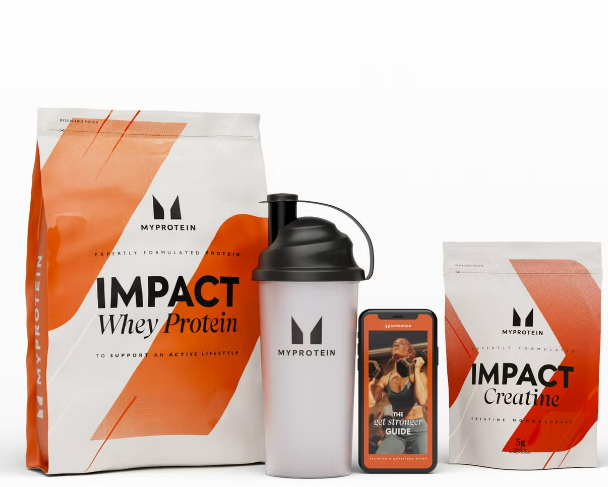
- Impact Whey Protein: This protein powder is a convenient way to boost your protein intake before a workout, helping to support muscle repair and growth. Mix it with water, milk, or your favorite smoothie ingredients for a quick and easy pre-workout shake.
Impact Whey Protein
- Strength Simplified: Myprotein’s Get Stronger Bundle – curated essentials for peak performance.
- Quality Ingredients: Protein, creatine, BCAAs – all you need for muscle growth and recovery.
- Convenience and Power: Simplify supplementation, maximize gains with this comprehensive bundle.
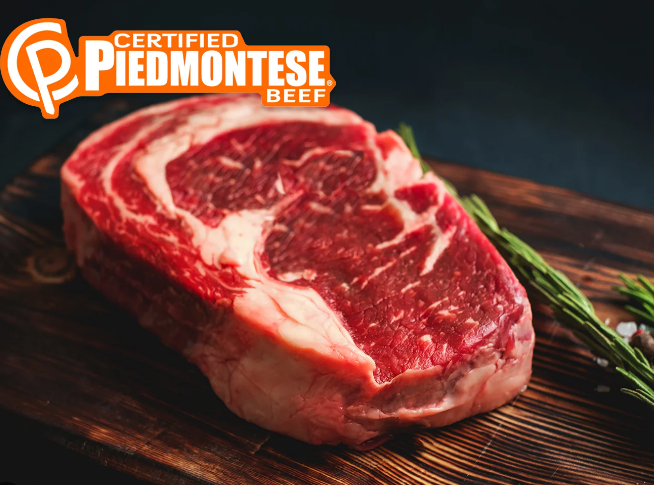
- Piedmontese: This type of lean beef provides high-quality protein and essential nutrients like iron and B vitamins, making it an excellent option for those looking to fuel their workouts with animal protein sources.
Piedmontese
- Prime Quality, Unmatched Flavor: Piedmontese offers premium beef for an unparalleled dining experience.
- Lean and Delicious: Enjoy guilt-free indulgence with naturally lean Piedmontese beef, rich in flavor without excess fat.
- Sustainable and Ethical: Prioritizing responsible farming, our beef is raised with care for the environment and animal welfare.
Conclusion:
Optimizing your pre-workout nutrition is essential for maximizing performance, endurance, and recovery during exercise. By incorporating a balanced combination of carbohydrates, proteins, fats, and hydration into your pre-workout regimen, you can fuel your body effectively, enhance energy levels, and improve overall workout quality. Remember to listen to your body, experiment with different strategies, and adjust your approach based on individual needs and preferences. With the right fueling strategies in place, you can take your workouts to the next level and achieve your fitness goals more effectively.
