



Disclosure: When you buy something using links from this blog post, we may earn a small commission at no additional cost to you. We are reader-supported, so thank you for the cup of coffee ☕.
In today’s world of abundant food choices, navigating the grocery store can be overwhelming, especially when it comes to deciphering nutrition labels. With shelves filled with products boasting various health claims and nutritional benefits, understanding how to interpret these labels is essential for making informed decisions about the foods we consume. By decoding nutrition labels, we can empower ourselves to choose foods that support our health and well-being. Let’s delve into the intricacies of nutrition labels and learn how to navigate the grocery store with confidence.


Understanding the Basics of Nutrition Labels:
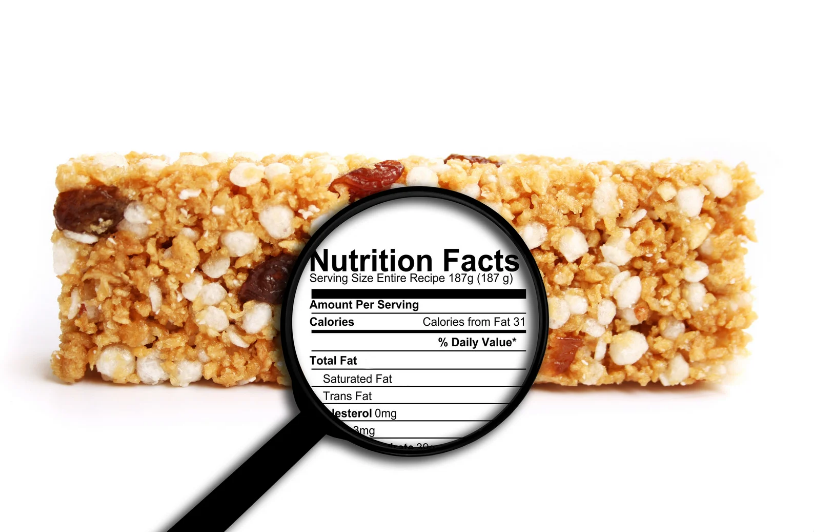
Nutrition labels provide valuable information about the nutritional content of packaged foods, helping consumers make informed choices about their diets. While the layout of nutrition labels may vary slightly depending on the country and regulations, they typically include several key components:


- Serving Size: The serving size indicates the amount of food typically consumed in one sitting and serves as the basis for all other nutritional information on the label. Pay attention to serving sizes, as they can vary significantly between products and may influence your overall calorie and nutrient intake.
- Calories: Calories represent the amount of energy provided by a single serving of the food. Understanding the calorie content of foods can help you manage your energy intake and maintain a healthy weight. Be mindful of portion sizes and the number of servings you consume to avoid overeating.
- Nutrient Breakdown: Nutrition labels typically provide information on various nutrients found in the food, including macronutrients like carbohydrates, protein, and fat, as well as micronutrients like vitamins and minerals. Pay attention to the amounts of key nutrients such as fiber, sodium, sugar, and saturated fat, as these can significantly impact your health.
- Percent Daily Value (%DV): The percent daily value indicates how much a nutrient in a serving of food contributes to your daily recommended intake based on a 2,000-calorie diet. Aim for foods with lower %DV of nutrients like saturated fat, sodium, and added sugars, and higher %DV of nutrients like fiber, vitamins, and minerals.
- Ingredients List: The ingredients list provides insight into the composition of the food and can help you identify any potential allergens or undesirable additives. Ingredients are listed in descending order by weight, with the primary ingredient listed first. Choose foods with simple, recognizable ingredients and avoid products with lengthy lists of additives and preservatives.

Tips for Navigating Nutrition Labels at the Grocery Store:
- Focus on Whole Foods: When possible, prioritize whole, minimally processed foods like fruits, vegetables, whole grains, lean proteins, and healthy fats. These foods tend to have simpler ingredient lists and provide essential nutrients without added sugars, unhealthy fats, and artificial additives.
- Check the Sugar Content: Keep an eye out for hidden sugars lurking in processed foods, including sugary drinks, snacks, and condiments. Be cautious of terms like “cane sugar,” “corn syrup,” and “high-fructose corn syrup” on ingredient lists, as these indicate added sugars that contribute to excess calorie intake and may negatively impact health.
- Watch Out for Sneaky Marketing: Be wary of marketing claims like “low-fat,” “fat-free,” “gluten-free,” and “natural,” as these terms do not necessarily equate to healthier choices. Always read the nutrition label and ingredients list to assess the nutritional quality of the product and make informed decisions.
- Compare Similar Products: When choosing between similar products, take the time to compare their nutrition labels to identify differences in calorie, nutrient, and ingredient content. Opt for products with lower amounts of saturated fat, sodium, and added sugars, and higher amounts of fiber, vitamins, and minerals.
- Be Mindful of Portion Sizes: While the nutrition label provides valuable information about the nutrient content of a single serving, it’s essential to consider your portion size and how it aligns with your overall dietary goals. Use measuring cups, food scales, or visual cues to gauge appropriate portion sizes and avoid overeating.
- Consider Your Dietary Preferences and Restrictions: If you have specific dietary preferences or restrictions, such as vegetarian, vegan, gluten-free, or dairy-free, pay close attention to the nutrition label and ingredients list to ensure the product aligns with your dietary needs. Look for certified labels like “certified organic,” “non-GMO project verified,” or “USDA organic” to identify products that meet specific standards.
- Don’t Overlook Beverages: Beverages like sodas, juices, sports drinks, and flavored coffee drinks can be significant sources of added sugars and empty calories. Opt for water, unsweetened tea, or sparkling water as healthier alternatives to sugary beverages, and read the nutrition label to choose low-calorie or sugar-free options when necessary.


Additionally, for busy individuals who don’t have time to shop for groceries, meal delivery services like HelloFresh can be a convenient option. HelloFresh offers meal kits with pre-portioned ingredients and easy-to-follow recipes delivered straight to your door, making it easier to maintain a nutritious diet amidst a hectic schedule.


HelloFresh: Your Shortcut to Healthier Eating
- Easy Meal Access: HelloFresh offers hassle-free access to nutritious meals, eliminating extensive meal prep and grocery trips.
- Balanced Nutrition: HelloFresh provides professionally crafted recipes for well-rounded, healthy meals.
- Time-Saving Convenience: With pre-portioned ingredients and simple recipes, HelloFresh saves time, enabling healthier choices for busy individuals.
Incorporating these tips into your grocery shopping routine can help you make more informed choices about the foods you consume and support your overall health and well-being. By understanding how to decode nutrition labels and navigate the grocery store effectively, you can take control of your diet and make choices that align with your health goals. Remember, small changes can lead to significant improvements in your diet and lifestyle over time. Happy shopping and happy eating!