

Disclosure: When you buy something using links from this blog post, we may earn a small commission at no additional cost to you. We are reader-supported, so thank you for the cup of coffee ☕.
For many fitness enthusiasts, soreness after a strenuous workout is both a badge of honor and a source of pain. While some may enjoy the sensation as proof of a productive session, others may find it difficult to move comfortably the following day. But what exactly causes the soreness, and how does it affect muscle growth? In this enlightening exploration, we’ll look at the science behind soreness, the mechanisms that drive muscle growth, and activities and products that can help relieve muscle pain.
What Causes Muscle Soreness?
Muscle soreness, also known as delayed onset muscle soreness (DOMS), usually develops 24 to 72 hours after engaging in strenuous or unfamiliar physical activity. While the exact mechanisms are not completely understood, several factors contribute to the sensation of soreness:
- Muscle Damage: Intense exercise can cause microscopic damage to muscle fibers, resulting in inflammation and pain. This damage is thought to occur during the eccentric (lengthening) phase of muscle contractions, such as the lowering phase of a bicep curl or squat.
- Lactic Acid Buildup: Despite popular belief, lactic acid buildup is not the primary cause of muscle soreness. However, during high-intensity exercise, the muscles produce lactate, which can cause temporary discomfort and fatigue.
- Inflammation: The body’s inflammatory response contributes significantly to muscle repair and adaptation. Following intense exercise, the immune system produces cytokines and other signaling molecules to promote healing and tissue remodeling, which contributes to soreness.

The Role of Muscle Growth
While muscle soreness can be uncomfortable, it is not always indicative of muscle growth. Instead, it is a byproduct of muscle repair after exercise-induced damage. However, this process prepares the groundwork for muscle growth via a phenomenon known as muscle hypertrophy.
Muscle hypertrophy is the increase in muscle size and strength that results from resistance training. It has two main mechanisms:
- Muscle Fiber Recruitment: When performing resistance exercise, muscle fibers are recruited to generate force and overcome resistance. Consistent training over time increases muscle fiber recruitment, resulting in greater muscle activation and growth.
- Muscle Protein Synthesis: After exercise-induced muscle damage, the body begins a process known as muscle protein synthesis (MPS), in which new proteins are synthesized to repair and rebuild damaged muscle fibers. This process is necessary for muscle repair, recovery, and growth.

Maximizing Muscle Growth
Muscle soreness is not a direct indicator of muscle growth, but it can be used to assess workout intensity and effectiveness. To maximize muscle growth, you must focus on several key principles:
- Progressive Overload: To promote muscle growth, gradually increase the intensity, volume, or resistance of your workouts over time. This gradual overload causes the muscles to adapt and strengthen.
- Proper Nutrition: Adequate nutrition is critical for muscle development and recovery. A balanced diet high in protein, carbohydrates, and healthy fats provides the nutrients required for muscle repair and growth.
- Rest and Recovery: Muscle growth occurs not only during workouts, but also during recovery periods. Allow enough time for rest between training sessions and prioritize quality sleep to maximize recovery.
- Variety in Training: Using a variety of exercises and training modalities can help target different muscle groups and stimulate muscle growth from different perspectives.

Activities and Products to Relieve Muscle Pain
In addition to improving your training and nutrition, there are several activities and products that can help relieve muscle pain and speed up recovery:
- Foam Rolling: Foam rolling, also known as self-myofascial release, is a highly effective technique for targeting tight or sore muscles. By using a foam roller to apply pressure to specific areas of the body, you can increase blood flow, reduce muscle tension, and alleviate soreness. To enhance your foam rolling experience, consider incorporating the Life Fitness Foam Roller, available at Life Fitness.

Life Fitness Foam Roller
Your post-workout essential for muscle relief and recovery.
- Massage Guns: Massage guns are innovative devices designed to provide deep tissue massage and targeted relief to sore muscles. With percussive therapy technology, these devices deliver rapid bursts of pressure to stimulate blood flow, reduce muscle tension, and accelerate recovery. For top-notch performance, explore the Theragun line of massage guns available at Therabody.
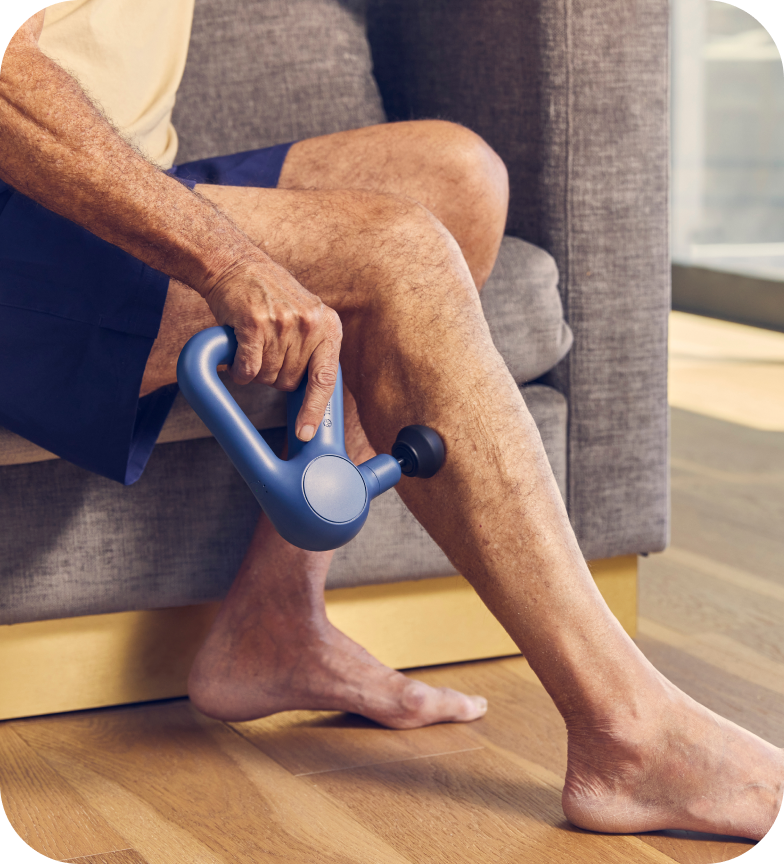
Massage Guns by Theragun
Your ultimate solution for soothing muscle tension and discomfort.
- Transdermal Patches: Transdermal patches offer a convenient and discreet way to deliver pain relief and promote relaxation. The Good Patch offers a range of patches infused with ingredients like menthol, hemp extract, and natural herbs to provide targeted relief for sore muscles and joints. Explore their selection of patches at The Good Patch.

Relief by The Good Patch
Your natural solution for targeted relief from discomfort and muscle tension.
- Compression Therapy: Compression garments, such as the RecoveryPulse Calf Sleeves from Therabody, can be instrumental in enhancing recovery post-exercise. By applying gentle pressure to the muscles, compression garments help improve blood circulation, reduce swelling, and alleviate muscle soreness. Discover the benefits of compression therapy at Therabody.
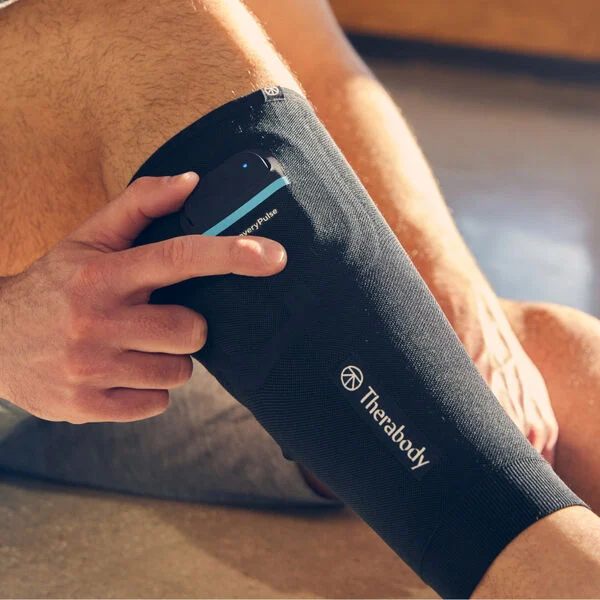
RecoveryPulse Calf by Therabody
Your on-the-go relief.
- Epsom Salt Baths: Soaking in an Epsom salt bath is a time-honored remedy for soothing sore muscles and promoting relaxation. Epsom salt, rich in magnesium sulfate, is absorbed through the skin, providing relief from muscle pain and stiffness. To elevate your bath experience, consider using high-quality Epsom salt from your local pharmacy or wellness store.

- Topical Analgesics: Over-the-counter creams or gels containing menthol, camphor, or capsaicin can offer temporary relief from muscle soreness and discomfort. These topical analgesics work by numbing the nerves and reducing inflammation, providing quick and targeted relief. For trusted relief, consider Jack Black’s Dragon Ice Relief & Recovery Balm, available at Nordstrom. This topical analgesic harnesses the power of menthol and other soothing ingredients to alleviate muscle soreness and discomfort effectively.
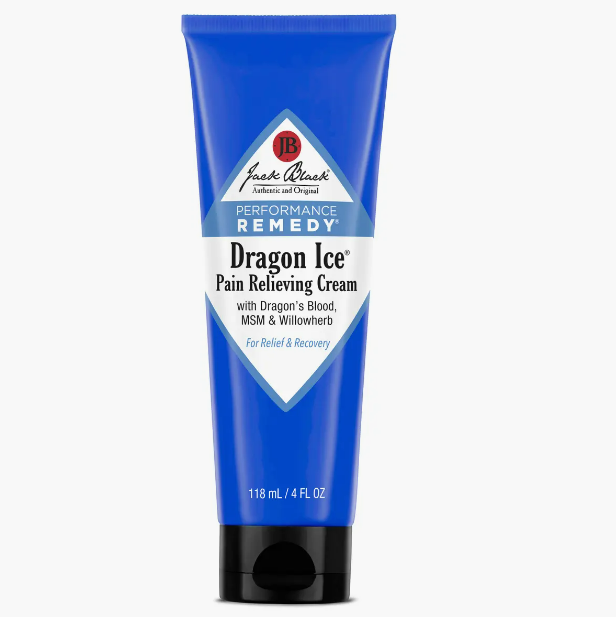
Dragon Ice Relief & Recovery Balm
Experience soothing relief for muscle soreness.
Incorporating these activities and products into your recovery routine can help alleviate muscle pain, accelerate recovery, and enhance overall well-being. However, it’s essential to listen to your body and consult with a healthcare professional if you experience persistent or severe muscle soreness. By taking proactive steps to support your body’s recovery process, you can optimize your performance and continue to pursue your fitness goals with confidence.
Listen to Your Body
While muscle soreness is a normal part of the muscle-building process, it’s critical to listen to your body and distinguish between healthy discomfort and potential injury. If soreness persists or becomes debilitating, it may indicate overtraining or poor form, and you must modify your training regimen accordingly.

Conclusion
To summarize, understanding the science behind muscle soreness and muscle growth can help you improve your fitness journey and achieve your goals more effectively. While soreness can be unpleasant, it is not always indicative of muscle growth, but rather a byproduct of the muscle repair process. You can maximize muscle growth and performance while lowering your risk of injury by focusing on progressive overload, proper nutrition, rest and recovery, and training variety. Furthermore, incorporating activities and products such as foam rolling, massage therapy, Epsom salt baths, compression garments, and topical analgesics can help alleviate muscle pain and speed up recovery, allowing you to train harder and recover faster. Remember to listen to your body, prioritize proper form, and modify your training regimen as needed to ensure safe and long-term progress on your fitness journey.
