

Disclosure: When you buy something using links from this blog post, we may earn a small commission at no additional cost to you. We are reader-supported, so thank you for the cup of coffee ☕.
Late season hunting brings its own unique challenges and rewards. As winter sets in, the landscape transforms, and so do the tactics required for a successful hunt. While many hunters may prefer the comfort of warm weather, there’s something special about braving the cold and embracing the elements to pursue your quarry. In this blog, we’ll explore how to turn the cold into your advantage and offer valuable tips for late season hunting.
Dress for Success

Late season hunting often means facing bitter cold temperatures. Staying warm and comfortable is essential not only for your safety but also for your effectiveness as a hunter. Layering is key to retaining body heat and staying insulated. Start with a moisture-wicking base layer to keep sweat away from your skin. Add insulating layers like fleece or down for warmth, and finish with a waterproof and windproof outer shell to protect against the elements.
Invest in quality cold-weather gear, including thermal socks, insulated boots, gloves, and a warm hat. Don’t forget to cover your face with a mask or balaclava to prevent frostbite and keep your scent contained.
Scout and Know Your Territory
Late season hunting requires a good understanding of the habits and movement patterns of your target species. As winter sets in, food sources become scarcer, and animals concentrate around available resources. This is the time to scout your hunting area and identify where the animals are feeding, bedding, and moving.
Deer, for example, might be more focused on foraging near remaining crops, while waterfowl could be found in open water or areas with food sources like submerged aquatic vegetation. Knowing your territory will help you set up in the right spots and increase your chances of success.
Utilize Cold Weather Camouflage
Late season hunting often involves a snowy backdrop, and blending in becomes even more critical. Invest in winter-specific camouflage that matches the environment you’ll be hunting in. Snow camo patterns like Realtree Snow or Mossy Oak Winter Brush are designed to help you disappear in a snowy landscape. Additionally, consider using a ghillie suit for extra concealment.
For stylish and effective concealment, consider the Dessert Camo Hooded Jacket from Nordstrom. This jacket features a dessert camo pattern for effective concealment in winter landscapes. Stay warm, blend in, and hunt with confidence in this fashionable and functional attire.

Dessert Camo Hooded Jacket
- Stylish camouflage jacket for late season hunting
- Hooded design adds cold and wind protection
- Fashion meets functionality
- Quality materials for hunting confidence
Adjust Your Hunting Schedule
Animals, especially game species, tend to be more active during the early morning and late evening in colder weather. Take advantage of this by adjusting your hunting schedule accordingly. Get into your blind or stand well before sunrise and stay until after sunset to maximize your chances of encountering animals during their most active times.
Stay Quiet and Patient
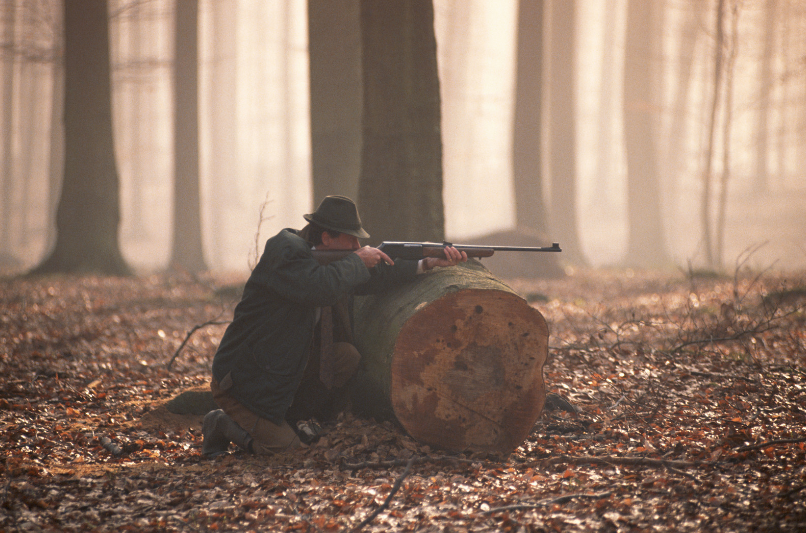
In the cold, sound carries farther, and animals are more attuned to unusual noises. Be extra cautious about your movements and minimize unnecessary sounds. Slow and deliberate movements will go a long way in avoiding detection. Practice patience, as late season hunting may require longer periods of waiting for the right shot opportunity.
Opt for Elevated Stands
Late season hunting often coincides with heavy snowfall and frozen ground. Elevated tree stands or blinds can provide several advantages. They offer a better vantage point to spot animals, keep your scent above their line of sight, and provide some insulation from the cold ground. Just make sure to use appropriate safety precautions when using elevated stands in winter conditions.
Use Calls and Decoys Wisely
Game calls and decoys can still be effective in late season hunting, especially for species like deer and waterfowl. Grunt calls, bleat calls, and rattling antlers can attract curious bucks, while duck and goose calls can lure waterfowl within range.
Be sure to use these tools judiciously and realistically. Overcalling can spook animals, so it’s essential to know when to call and when to remain silent. Likewise, position your decoys strategically to mimic natural behavior and movements.
Master Cold Weather Marksmanship
Cold temperatures can affect both you and your equipment. Ensure that your firearm or bow is in good working order, as cold weather can impact their performance. Practice your shooting skills in cold conditions to become accustomed to the way cold air can affect bullet trajectory.
Additionally, cold weather can make it challenging to stay steady while aiming. Consider using shooting sticks or a bipod for added stability. Keep your fingers warm, so you have good trigger control, and take your shots when you feel confident in your ability to make a clean and ethical kill.

Be Prepared for Tracking
In the late season, animals may travel farther after being shot due to the scarcity of food and increased pressure from hunters. Be prepared for tracking by carrying essential tracking gear, such as blood-tracking lights, flags, and a good-quality knife. Stay patient and follow the blood trail carefully to recover your game.
Stay Safe and Informed
Last but not least, prioritize safety during late season hunting. Notify someone of your hunting plans and expected return time. Carry communication devices like a cellphone or two-way radio in case of emergencies. Be aware of changing weather conditions, as winter storms can roll in unexpectedly, and staying safe should always be your top priority.

Conclusion
Late season hunting may require extra effort and preparation, but the rewards can be well worth it. Embrace the cold, adapt your tactics, and use the tips mentioned in this blog to turn the cold into your advantage. With the right gear, knowledge, and patience, you can have a successful late season hunt and create lasting memories in the beautiful, snow-covered wilderness.
