
Disclosure: When you buy something using links from this blog post, we may earn a small commission at no additional cost to you. We are reader-supported, so thank you for the cup of coffee ☕.
Barefoot shoes, also known as minimalist shoes or barefoot-style shoes, are footwear designed to provide a close-to-natural walking or running experience. They aim to mimic the feeling of being barefoot while still offering some protection and comfort. Here are some key features and characteristics of barefoot shoes:
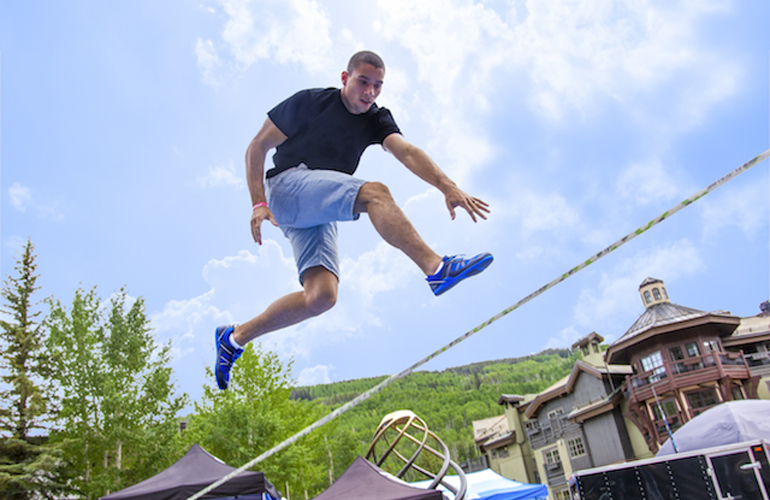
- Thin and Flexible Soles: Barefoot shoes typically have thin and flexible soles that allow for better ground feel and natural foot movement. The idea is to promote sensory feedback, allowing your feet to sense and respond to the terrain.
- Minimal Cushioning: Unlike traditional running shoes, barefoot shoes have minimal or no cushioning in the soles. This design encourages a more natural gait pattern, as it allows your feet to feel the impact forces and adapt accordingly.
- Wide Toe Box: Barefoot shoes often have a wide toe box, providing ample space for your toes to spread out and move freely. This design promotes proper toe alignment and can be beneficial for foot health.
- Zero or Low Heel-to-Toe Drop: Heel-to-toe drop refers to the height difference between the heel and the toe of the shoe. Barefoot shoes typically have a zero or minimal heel-to-toe drop, which promotes a more neutral foot position and encourages a midfoot or forefoot strike when walking or running.
- Lightweight and Breathable: Barefoot shoes are generally lightweight and made from breathable materials. This helps to minimize interference with natural foot movement and allows for better airflow, reducing the risk of overheating or excessive sweating.
- Flexibility and Freedom of Movement: Barefoot shoes prioritize flexibility, allowing your feet to move naturally and engage the muscles in your feet and lower legs. This can help strengthen the muscles and improve foot function over time.
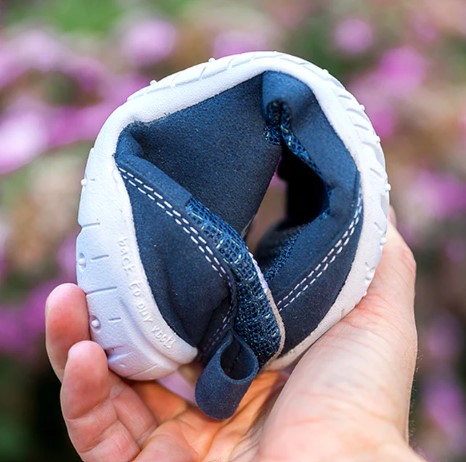
It’s important to note that transitioning to barefoot shoes or adopting a barefoot-style walking or running technique requires an adjustment period. The muscles in your feet and lower legs may need time to adapt to the increased workload and different movement patterns. It’s recommended to gradually introduce barefoot shoes into your routine and listen to your body to avoid overuse injuries.
If you’re considering trying barefoot shoes, it’s advisable to consult with a healthcare professional or a knowledgeable footwear specialist who can guide you based on your individual needs and foot characteristics.

Here are the popular barefoot shoes that we highly recommend for those seeking a natural and minimalist footwear experience:
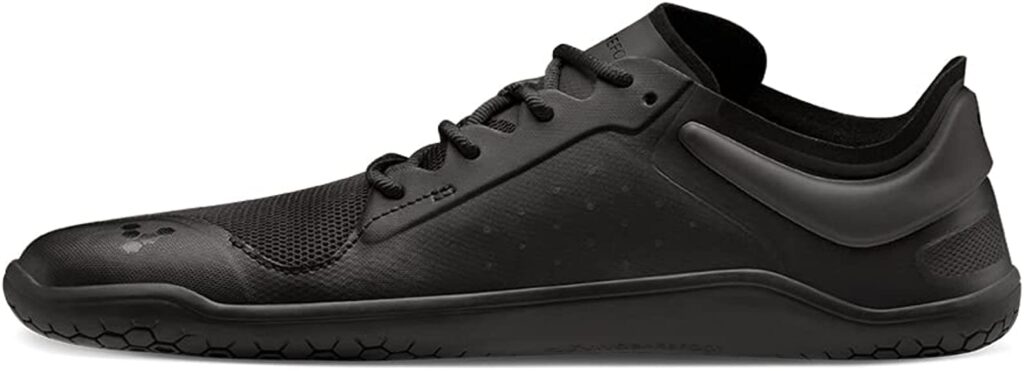
Vivobarefoot Primus Lite III
The Vivobarefoot Primus Lite III is a top choice for its lightweight design, thin and flexible sole, and spacious toe box. It provides excellent ground feel, allowing your feet to move naturally and comfortably during various activities.

Merrell Vapor Glove
The Merrell Vapor Glove is a trusted option known for its barefoot-like feel and versatility. It features a minimalistic design, zero-drop platform, and a breathable upper, making it ideal for both running and everyday wear.
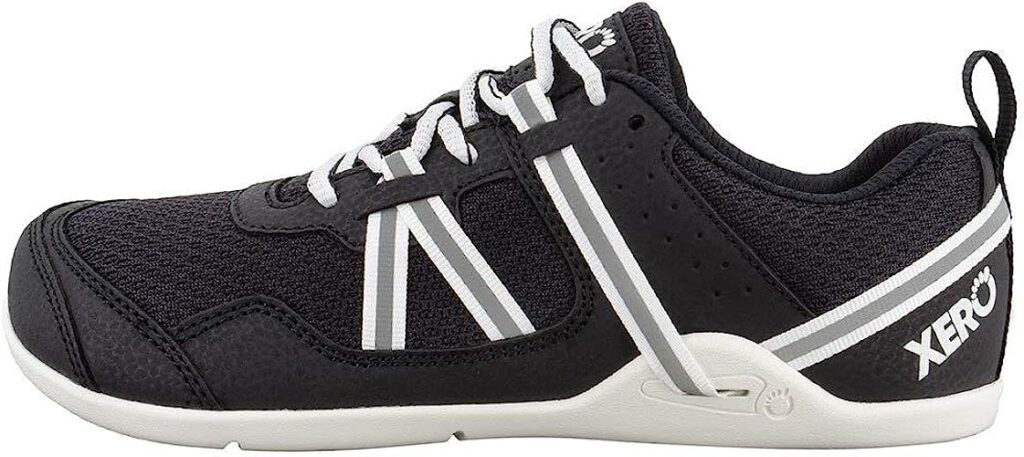
Xero Shoes Prio
The Xero Shoes Prio is a popular barefoot shoe that combines comfort and durability. With its wide toe box, thin sole, and lightweight construction, it offers excellent flexibility and a barefoot feel for various activities, including hiking, running, and gym workouts.
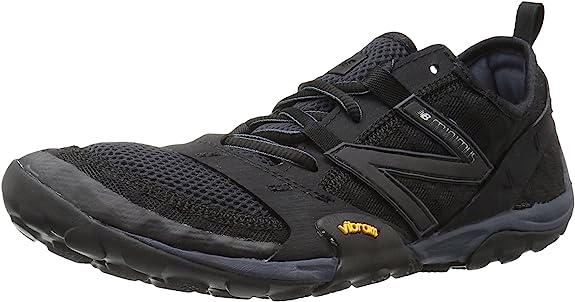
New Balance Minimus 10v1
The New Balance Minimus 10v1 is part of the renowned Minimus line, offering a minimalist design and excellent performance. It features a lightweight construction, low heel-to-toe drop, and a grippy outsole, making it an excellent choice for trail running and outdoor adventures.
In conclusion, barefoot shoes aim to simulate the sensation of being barefoot while still providing protection and comfort. They offer a distinctive and organic walking or running experience. These shoes prioritize ground feel, correct foot alignment, and natural movement with their thin and flexible soles, minimal cushioning, wide toe boxes, and zero or low heel-to-toe drops. They also encourage flexibility and freedom of movement and are lightweight and breathable. However, it’s crucial to keep in mind that switching to barefoot shoes necessitates an adjustment period, so speaking with a medical professional or footwear expert is advised.
